CDM ESD 602 Machining for ESD-Safe Assembly Fixtures
CDM ESD 602 is a glass-fibre reinforced, electrostatic-dissipative composite used where PCB assembly fixtures must survive repeated soldering heat without warping or building charge. We mill, drill and profile it to your drawing — from single plates to framed carriers. Material data and ESD class are confirmed against the grade supplied for your program.
Machined to the grade, not to a guess
ESD-safe by material, not by coating
The dissipative property is in the composite itself, so machined edges and bores do not rely on a surface treatment.
Stable through repeated heat cycles
The grade is chosen for PCB assembly fixtures that see soldering temperatures repeatedly; we machine to the drawing, not to an assumed grade.
Clean holes and pockets
Composite-specific tooling and backing support keep bores and pockets free of fibre breakout.
CDM ESD 602 Machining
What we confirm before cutting — grade-specific values come from the supplied data sheet.
| Capability | Specification |
|---|---|
| Material | CDM ESD 602 — glass-fibre reinforced, electrostatic-dissipative composite (synthetic stone / Durostone class) |
| Typical tolerance | ±0.01 mm on machined features, confirmed against your drawing |
| Processes | CNC milling, drilling, countersinking, profiling, pocketing |
| Milling envelope | Up to 2000 × 1000 mm |
| Tooling | Composite-specific cutters; feeds and tool wear managed for glass-fibre material |
| Typical use | SMT carriers · wave-solder pallets · reflow fixtures · test and handling fixtures |
| Electrical / thermal data | Per the data sheet of the grade supplied for your program — tell us your ESD class and temperature requirement |
| Inspection | Zeiss CMM on critical features; first-article inspection report on request |
| Prototype lead time | Typically 5–10 working days |
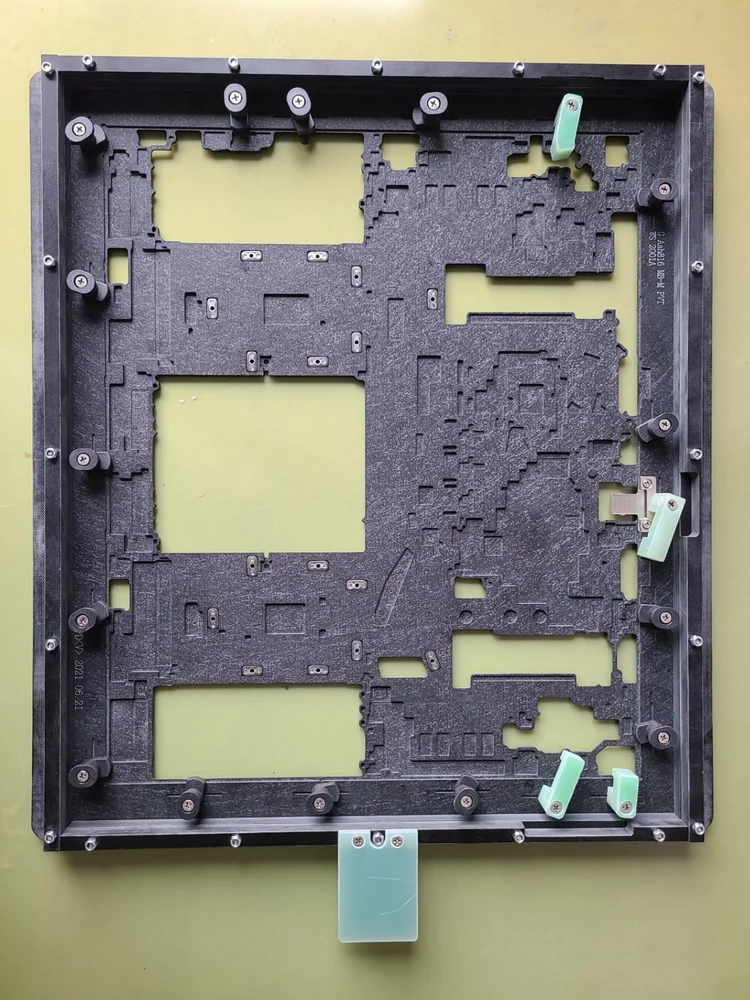
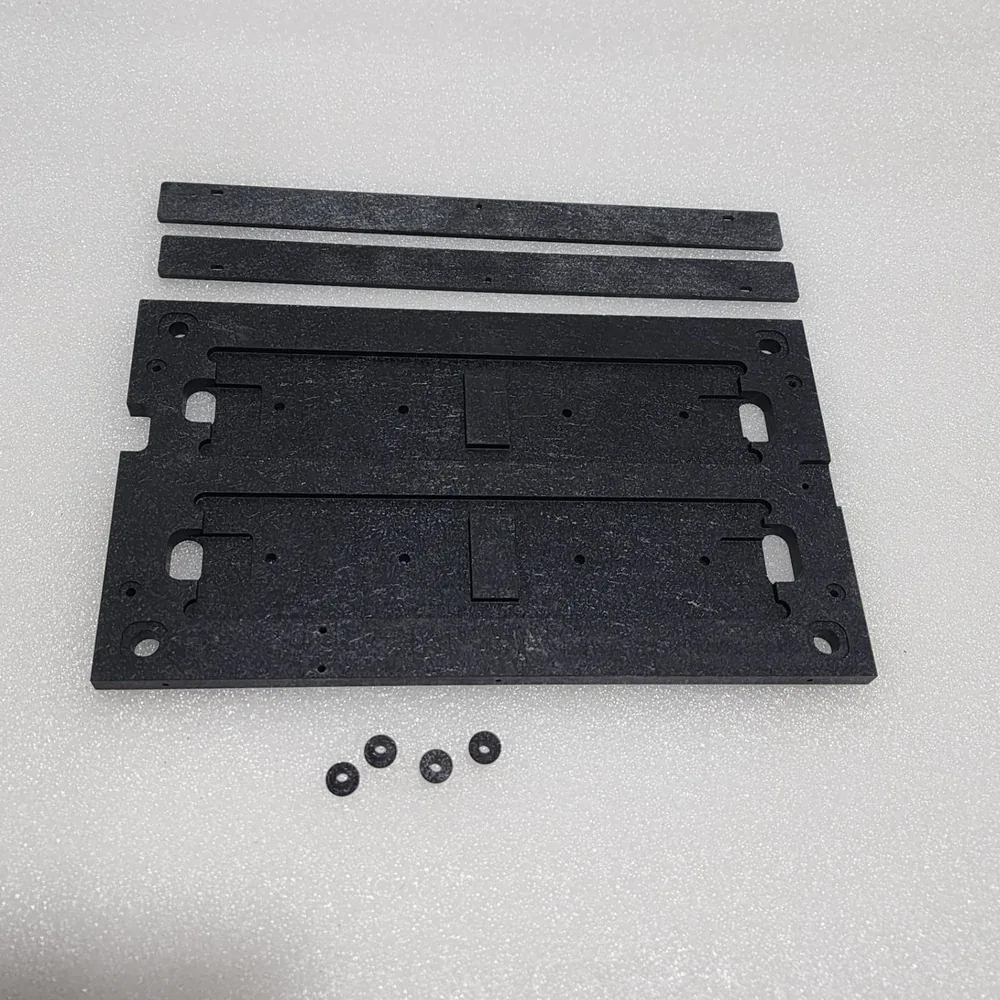
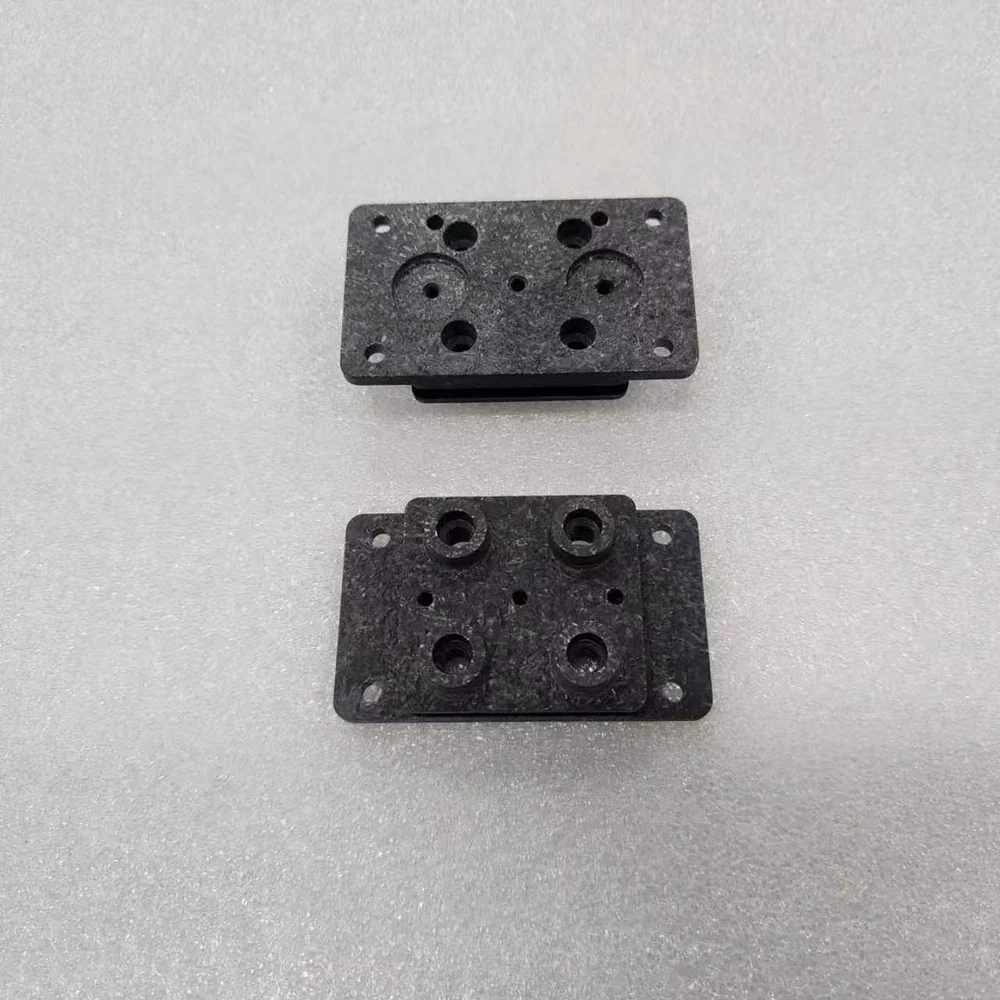
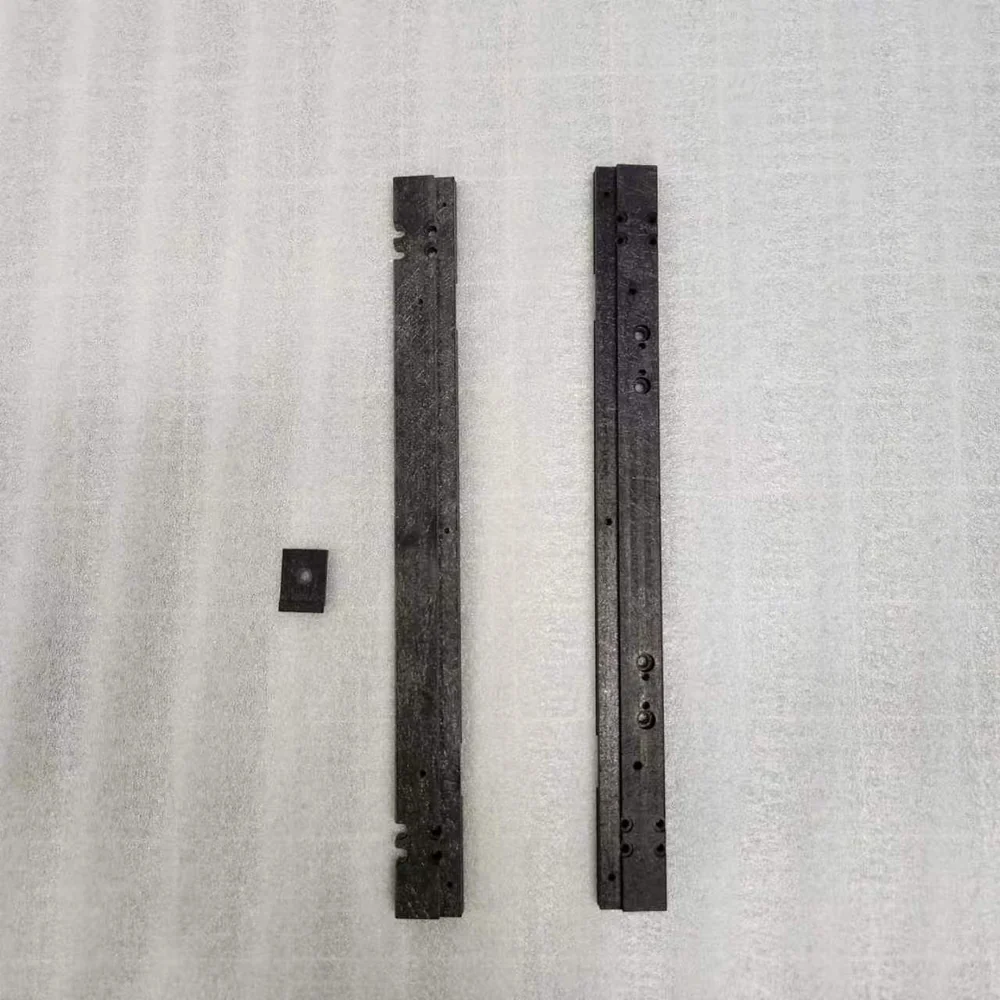
Fixtures we have machined
CDM ESD 602 parts from our workshop — described by what is in the photograph, not by customer or project name.
From Drawing to Delivered Fixture
A transparent, engineering-led process built for recurring fixture programs.
Submit & Review
Send the drawing, the ESD class and the grade or data sheet. Our engineers check tool access, locator features and tolerances before cutting.
Quote & Material Plan
You receive a transparent quote and the material-verification plan for the specified grade — no assumed resistivity or temperature values.
Machine & Inspect
Composite-specific tooling, controlled feeds, then Zeiss CMM inspection on critical features and first-article reporting.
Deliver & Support
Kitted and labelled to your fixture plan, with engineering support for repeat orders and revisions.
Frequently asked questions
Request a Quote
Tell us about your program. The fields below help our engineering team prioritize recurring, long-term supply programs with equipment manufacturers.
What happens after you send your files
- Within 1 business day an engineer — not a salesperson — reviews your drawings and replies.
- DFM review: tolerances, material and risk flags, before any cutting begins.
- Your quote includes a material-verification plan: grade, EN/DIN check, certificate strategy.
Critical features are verified in house · material chemistry confirmed by spectrometer · EN 10204 3.1 certificates available.
Prefer email? Write to us directly at info@prototech-machining.com
Drawings and CAD files are used only to quote and manufacture your parts. They are not shared with third parties, and we sign an NDA on request — even before you send anything.
Our form captures production type, annual quantity and project status up front — so we can focus engineering resources on long-term supply relationships, not one-off inquiries.
Talk to our team about special materials, tolerances or a failed-supplier recovery before you send drawings.