Precision Manifolds and Fluid Blocks
A manifold is judged by what it does not do: it must not leak, must not trap residue and must not restrict flow. All three depend on how the internal passages and sealing faces are machined.
Internal passages
Cross-drilled and intersecting channels need clean transitions and controlled burrs — a burr at a passage junction is both a flow restriction and a contamination trap.
Sealing faces
Flatness and surface finish on sealing faces decide whether an O-ring or gasket seals. They are machined for flatness and verified, not just cut and hoped for.
Materials
Aluminium and stainless steel for structural and hydraulic service; PEEK, PVDF and PTFE where chemical resistance or cleanliness rules, including microfluidic manifolds with narrow channels.
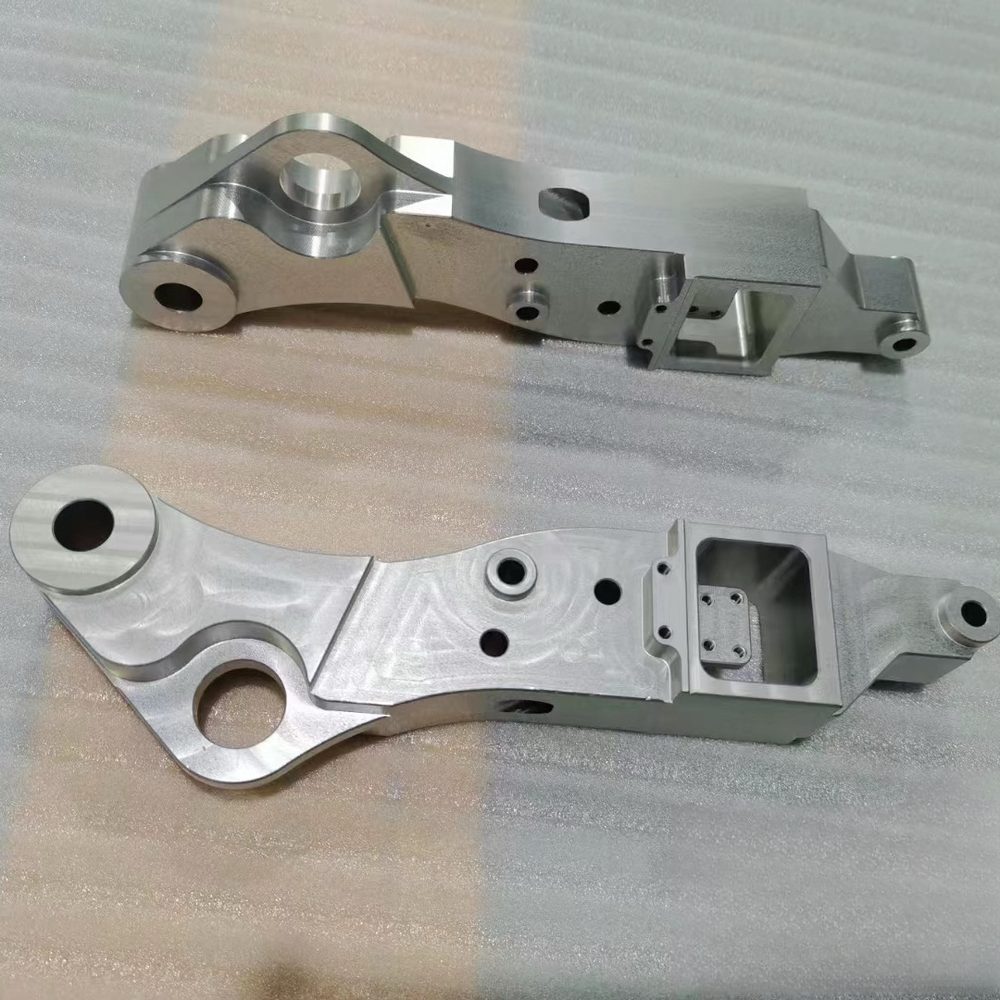
Milled cavities and irregular parts
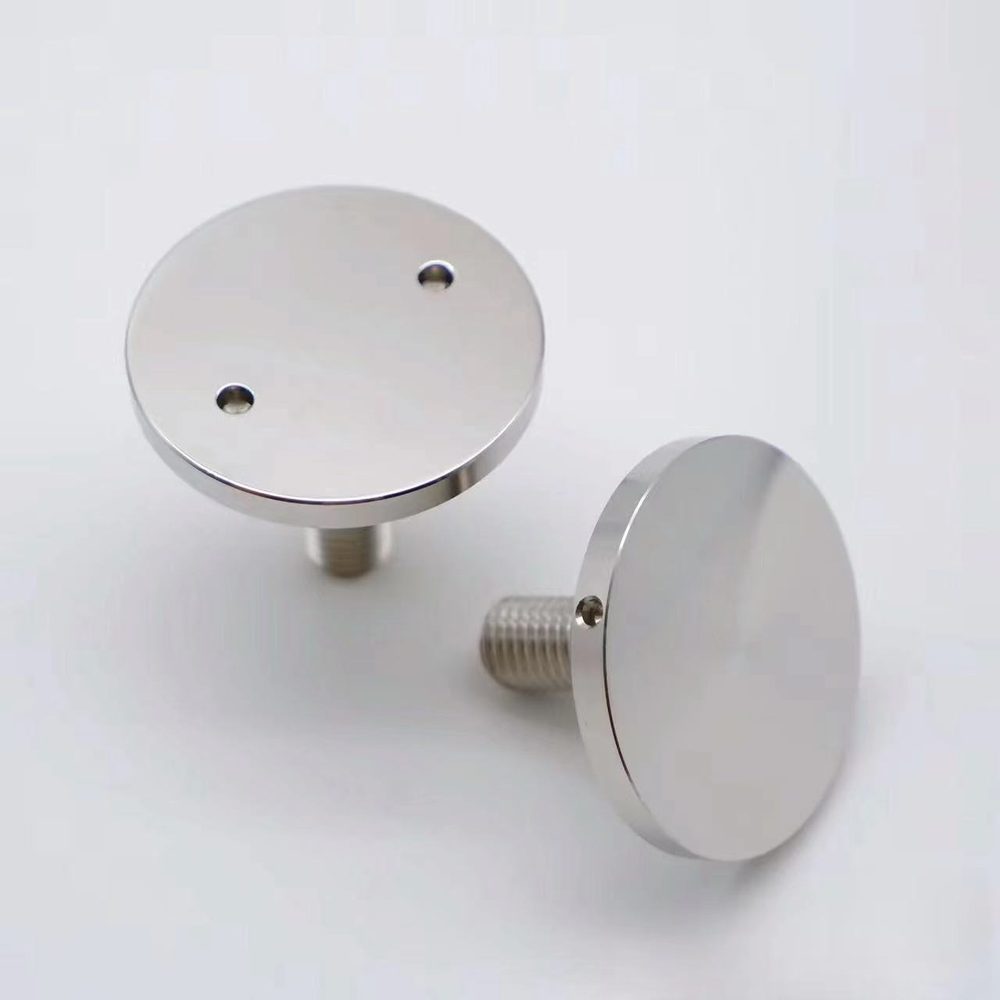
Below are examples of this kind of work held to our standard tolerance and finish. Dimensions, drawings and material certificates are available on request.