CNC Machining of Aluminum Alloys
Aluminum is the first choice when weight matters. We machine 6061, 6082 and 7075 to tight tolerances, with the tooling and thermal control that keep soft, gummy alloys from becoming a deburring nightmare.
Why it is hard to machine
Aluminum's high thermal conductivity and low hardness make it deceptively easy to cut, and just as easy to ruin. Without the right geometry the material welds to the cutting edge, tears at the surface and burrs heavily on exit.
Process controls that matter
Built-up edge
Soft alloys smear and weld to the tool. We use high-positive polished geometry and climb cutting to keep the chip clean.
Thin-wall distortion
Thin aluminum walls deflect under clamping and cutting load. Light fixturing and staged passes protect geometry.
Burrs and finish
Aluminum burrs stubbornly. In-process edge control plus controlled deburring keep edges defined and surface finish repeatable.
Tolerances, inspection and documentation
Typical applications
Automation frames, robot end-effectors, optical mounts, instrument housings and electronics enclosures.
Parts we have made
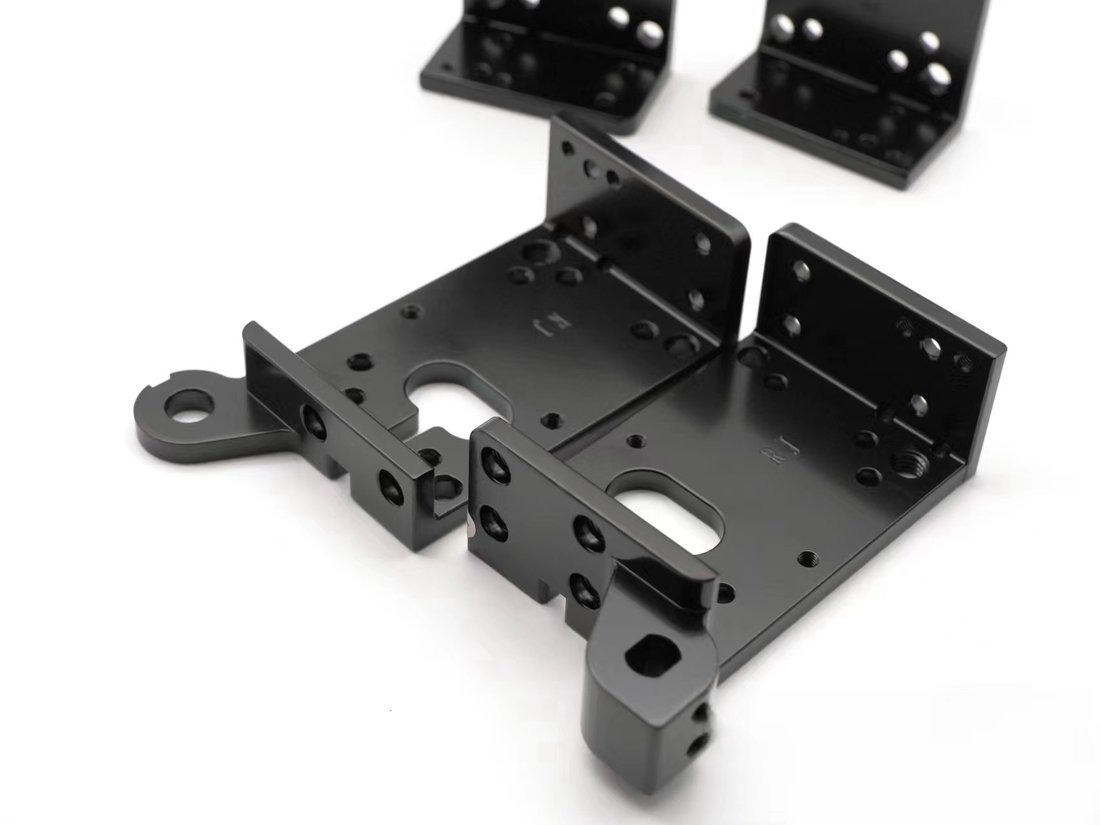
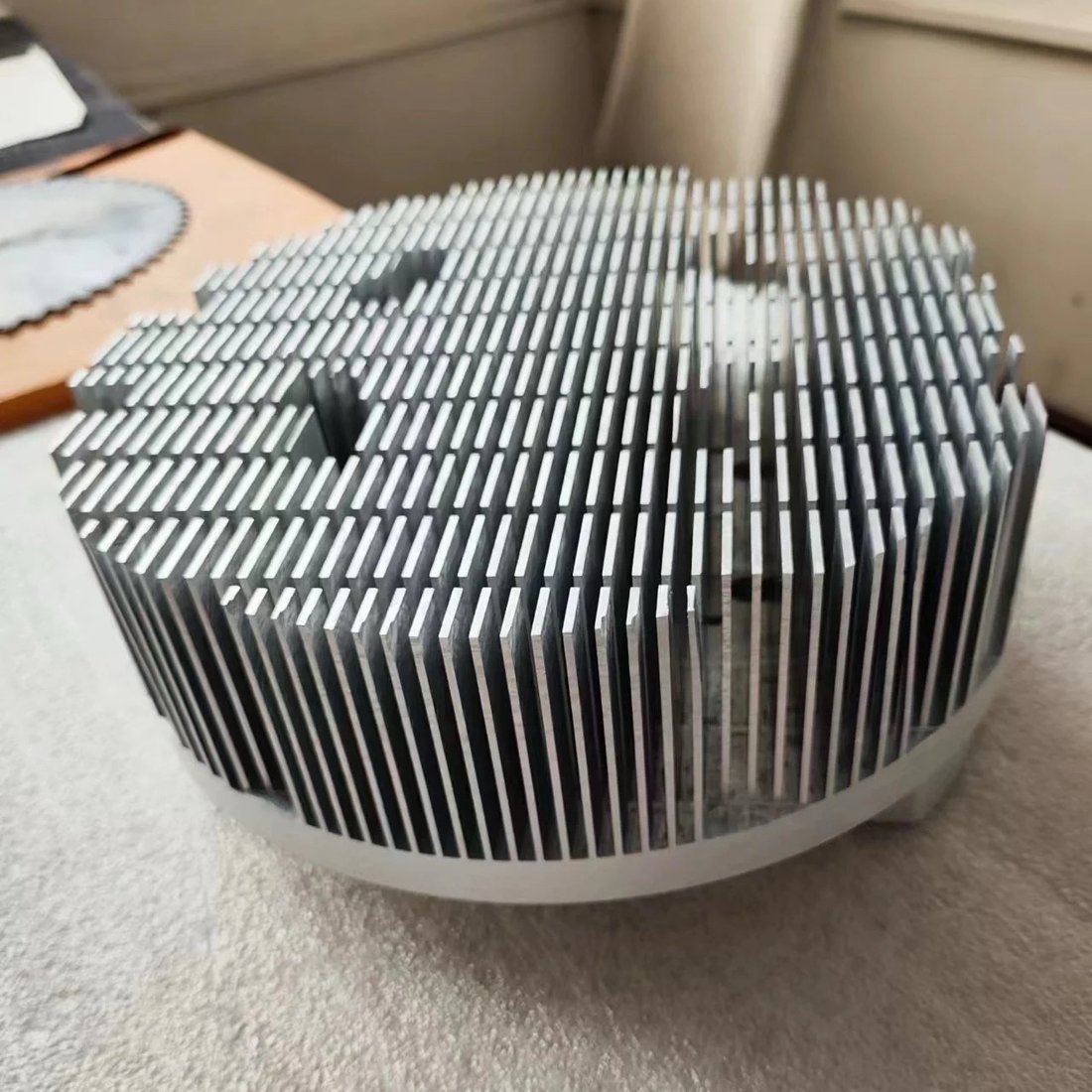
Photographs of parts machined at our Shenzhen plant. Send us your drawing and we will confirm the process route for parts like these.