Home › Capabilities › CNC Milling
Capabilities

CNC Milling for Complex Precision Components

Milling is where geometry gets difficult. We run 3, 4 and 5-axis machines so that complex faces, deep pockets and multi-sided parts can be produced in as few set-ups as possible.

Request a Quote

What we mill

Prismatic parts, plates, housings, brackets, manifolds and contoured components — including thin-wall and deep-cavity geometry that needs a 5-axis approach or a purpose-built fixture.

Tolerances and finish

±0.005 mm typical on 3-axis work, ±0.01 mm as standard on simultaneous 5-axis, surface finish down to Ra 0.2 µm achievable on metals, ceramics and graphite (not on plastics). Critical features are verified in house.

Materials

Aluminum, stainless steel, titanium, Inconel, Kovar, tungsten alloys, Permalloy and engineering plastics including PEEK, PVDF, PTFE, POM and ABS.

Parts we have made

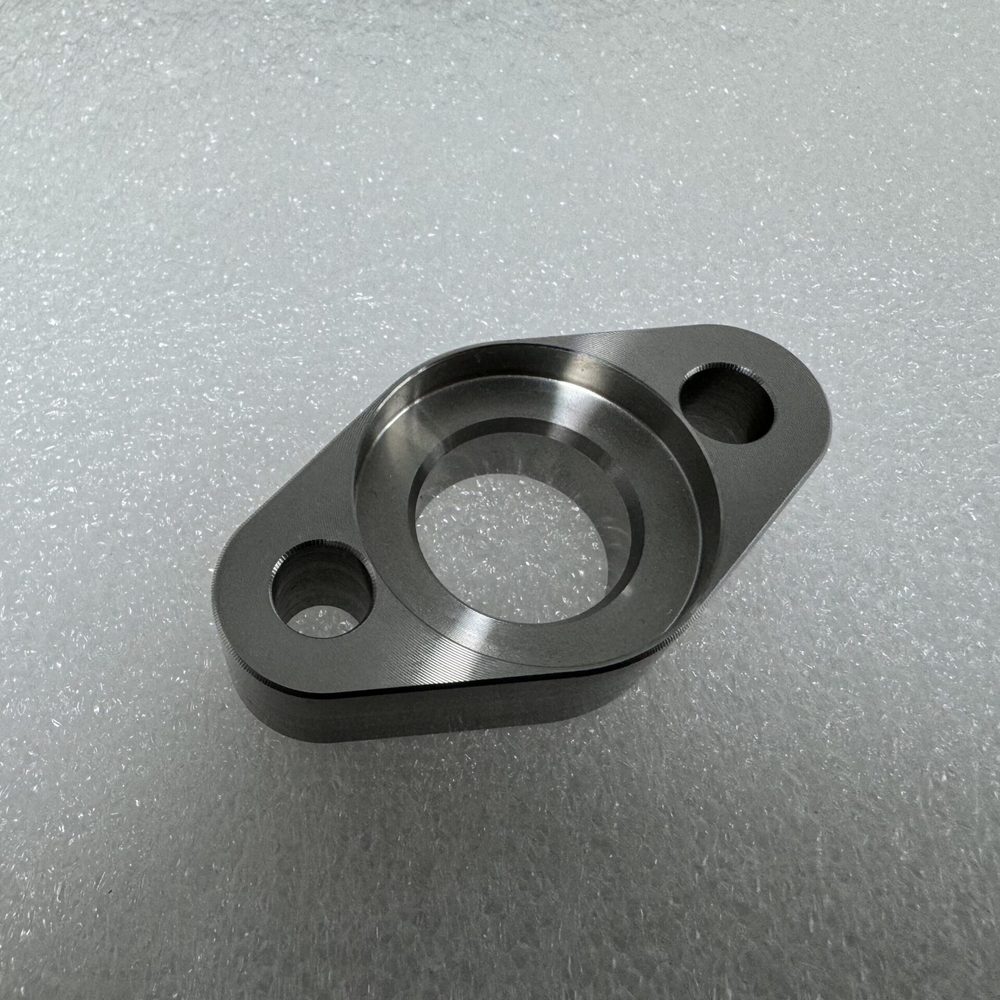
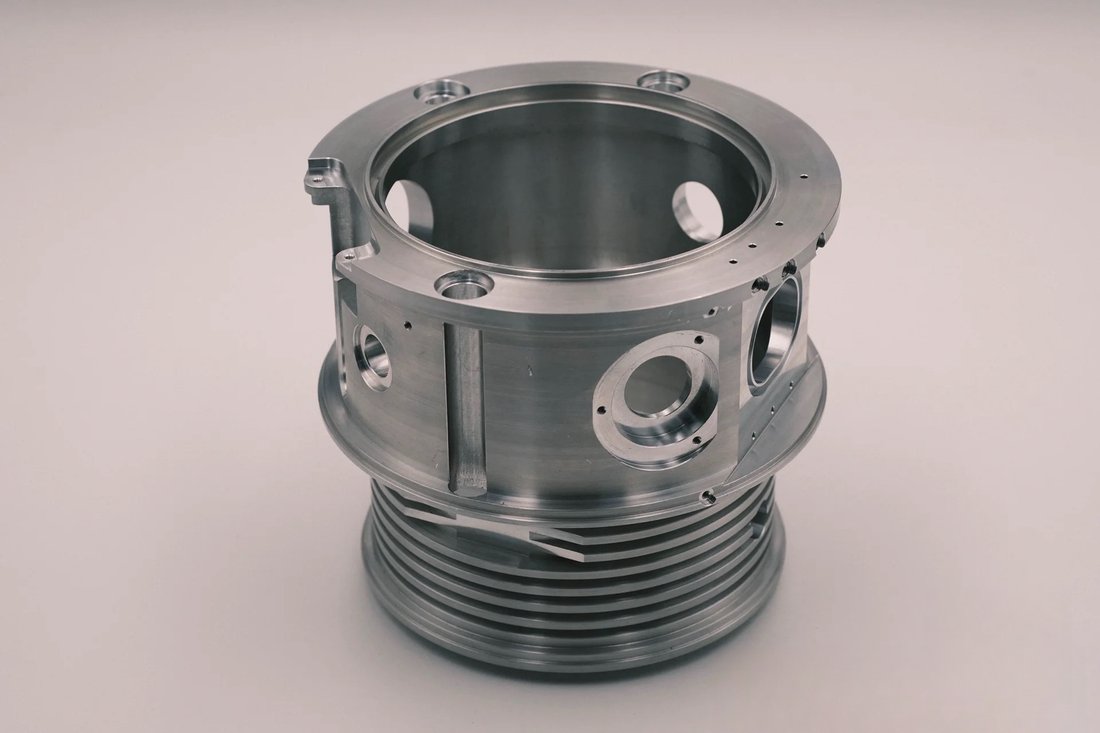
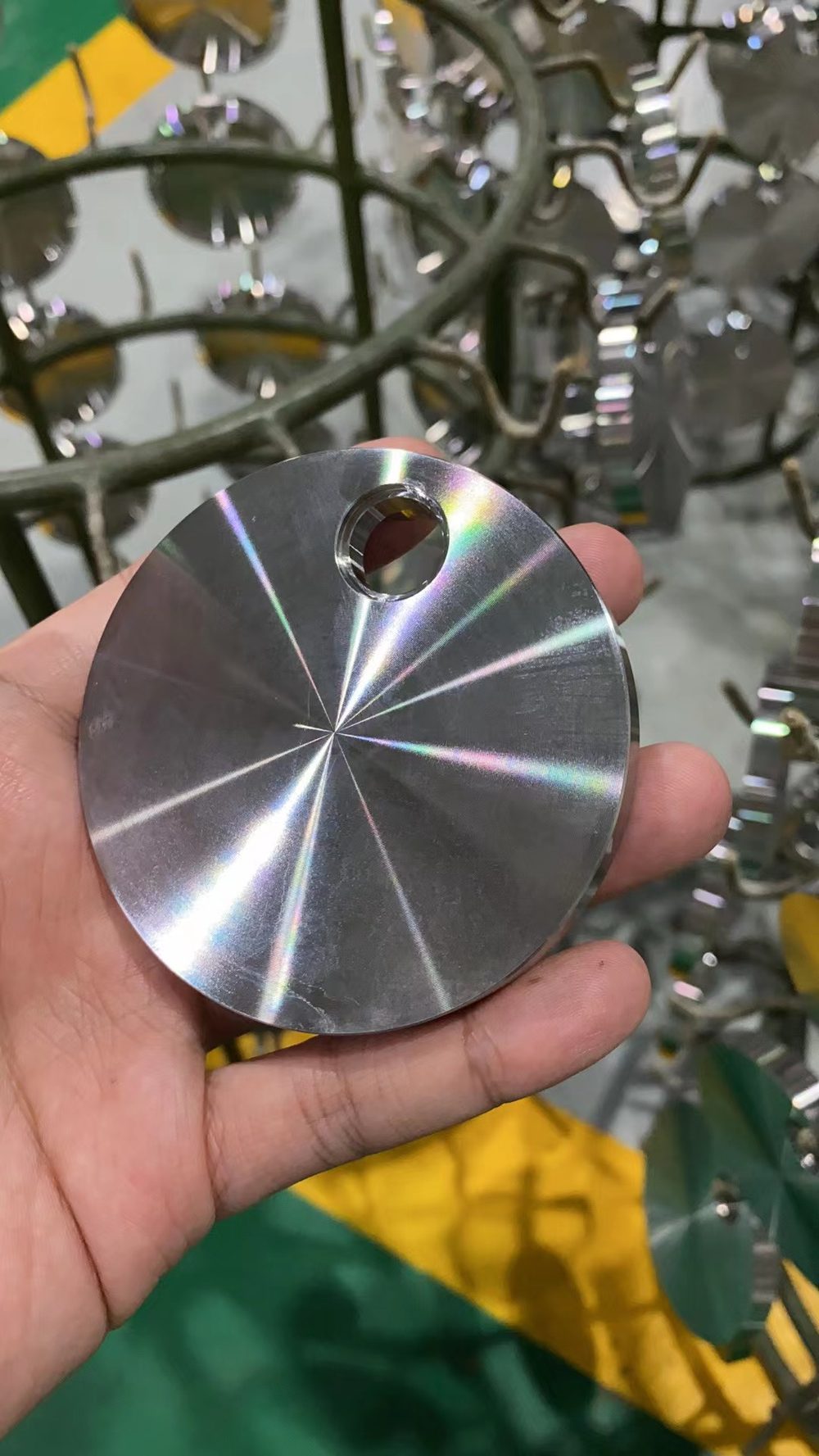
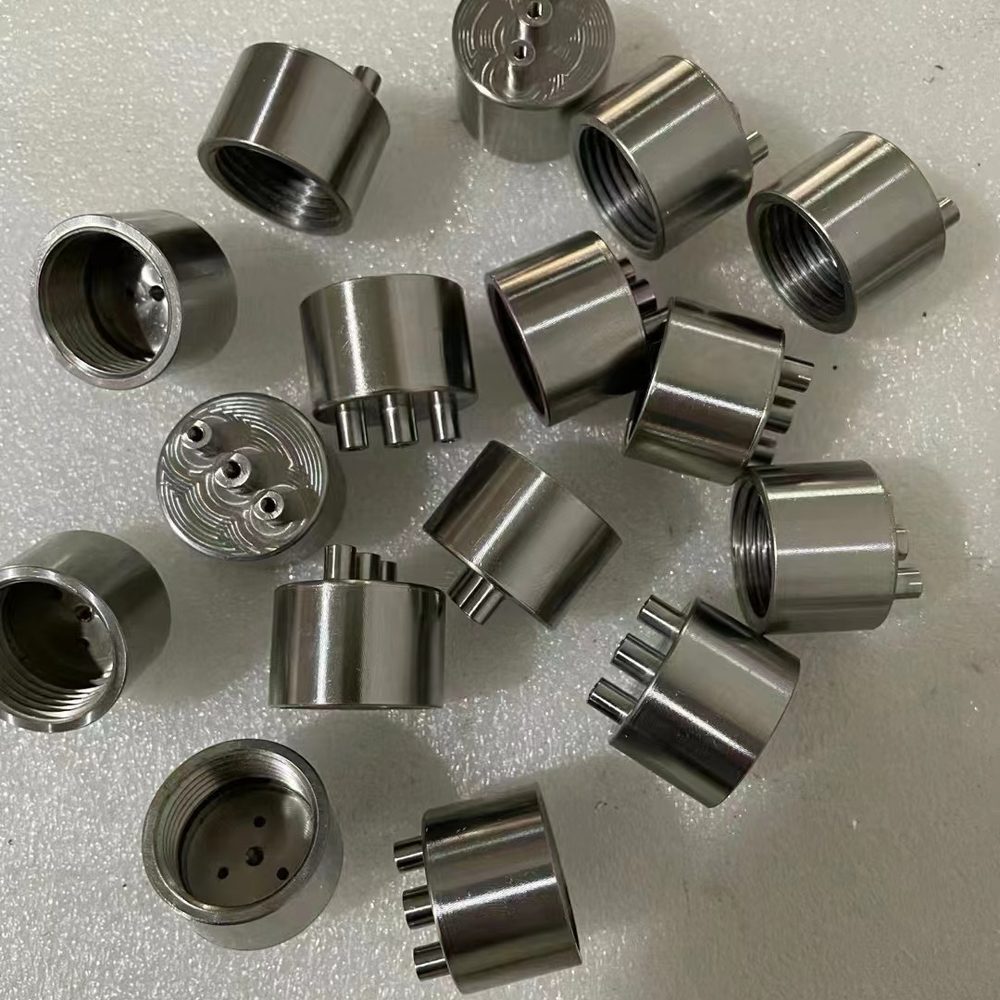
Photographs of parts machined at our Shenzhen plant. Send us your drawing and we will confirm the process route for parts like these.
Aluminium turned components in a batch, turned from bar stock
Turned steel bushings and spacers in mixed diameters
Anodised plate with four counterbored holes and a machined pocket
Milled part produced on a 4-axis machining centre
FAQ

Frequently asked questions

Milling covers workpieces up to 2000 × 1000 mm; Conventional CNC turning covers Ø 2–65 mm with lengths to 300 mm; our Swiss-type cells take small-diameter work from Ø 0.5–20 mm. Send the drawing and we confirm the envelope.
Yes — ±0.005 mm on 3-axis work and ±0.01 mm standard on simultaneous 5-axis, verified on a Zeiss CMM for geometry and position, the TRIMOS V5 height gauge for heights and steps, and the AI-Vision system for fine features.
Yes. Engineering plastics behave very differently from metals and we run them with their own tooling, speeds and stress control.
↑